
How to Visit the Basilica de la Altagracia in Higüey
Explore the Basilica de la Altagracia in Higüey. Find out when to visit, how to get there, and why this important place is a must-see in the Dominican Republic.
CULTURE, HISTORY & ARCHITECTURE
1/21/202612 min read
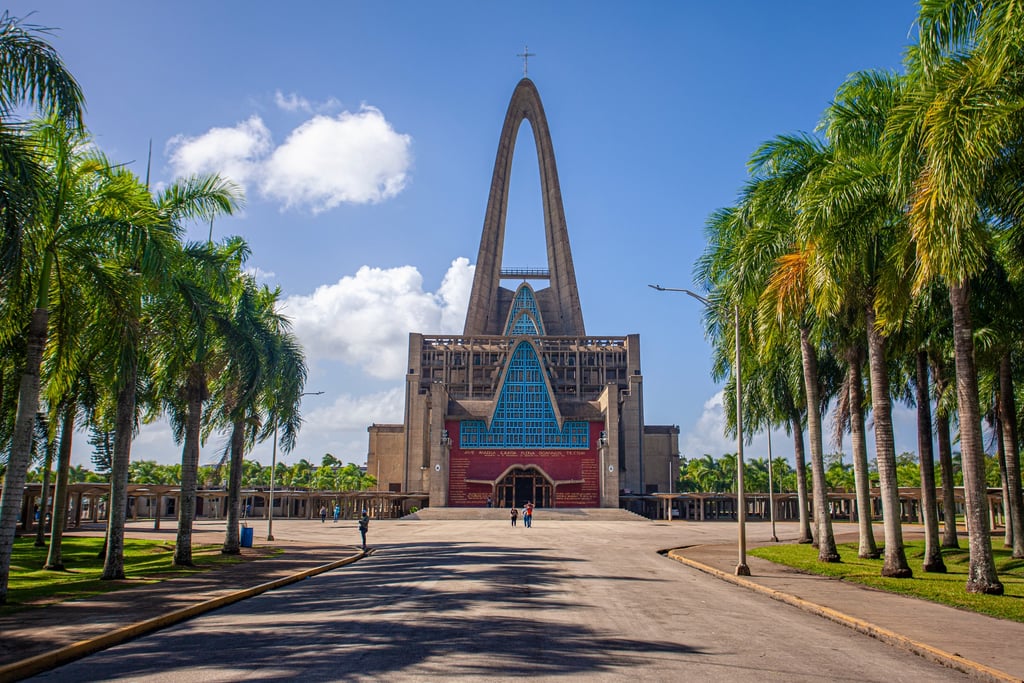
The Basílica de la Altagracia in Higüey is one of the top cultural stops near Punta Cana, just 45 minutes away. Its massive 69-meter arch and modern design make it one of the most photographed landmarks in the Dominican Republic. Visiting it gives you a real glimpse into the country’s traditions and daily life, even if you are not religious.
The fastest and easiest way to visit is on a private half-day tour with a local guide. This experience includes hotel pickup, an air-conditioned vehicle, and a private guide who walks you through the basilica and explains its meaning in clear, simple English.
This tour also takes you to a cigar and tobacco factory, a coffee and cocoa plantation, a traditional Dominican home, and the Higüey market.
If you are in Punta Cana and want to see the real Dominican Republic, this is a stop you should not skip.
Basílica de Higüey – Simplified
📍 Location
Higüey, La Altagracia Province. About 50 km (30 miles) from Punta Cana.
🗓️ Opened
1971. Built on the site of a 16th-century sanctuary.
📏 Arch Height
226 feet (69 meters). Visible from miles away.
🙏 Dedicated To
La Virgen de la Altagracia, the patroness of the Dominican people.
⏰ Hours
Daily, usually 7:00 AM to 7:00 PM. Weekends often close around 5:00 PM.
💵 Entry
Free. Donations optional.
👕 Dress Code
Cover shoulders and knees. No beachwear.
📸 Photos
Allowed. No flash during services.
🎉 Special Day
January 21 (Altagracia Day) is the biggest pilgrimage festival.
History of the Basilica de la Altagracia
The Basilica in Higüey (Higüey means “land where the sun rises” in the Taíno language. It’s located in the eastern part of the Dominican Republic and was once part of a Taíno kingdom.) has a history that goes back to the 16th century. It was built to replace an older church from 1572 that once stood in the town. That church held the famous image of Our Lady of Altagracia, a painting of the Virgin Mary that has been honored in the Dominican Republic since 1571.
Over time, devotion to Our Lady of Altagracia grew, and more people traveled to Higüey to visit the image. The old church could no longer hold the number of people coming each year. In the 1950s, plans were made to build a new basilica that could better serve these visits, and construction began in 1954.
The Basilica was designed by French architects André-Jacques Dunoyer de Segonzac and Pierre Dupré, with the collaboration of Pierre Domino. Their design was modern and unlike traditional colonial churches. The large arch, visible from far away, became a defining feature of the building and a clear landmark in Higüey.
The Basilica was completed in 1970 and officially inaugurated in 1971. At that time, the historic image of Our Lady of Altagracia was moved from the old San Dionisio Church to the main altar of the new basilica, where it remains today. In 1970, Pope Paul VI granted the church the title of minor basilica.
Since then, the Basilica de la Altagracia has grown into one of the most important pilgrimage churches in the Americas. In 1992, Pope John Paul II visited Higüey and crowned the image of the Virgin of Altagracia during a ceremony on October 12.
Today, the Basilica is both a place of worship and an important part of Dominican history. Each year, especially on January 21st, Altagracia Day, thousands of people come to Higüey to take part in one of the country’s most important religious events.
What to See at the Basílica de la Altagracia in Higüey
The Exterior
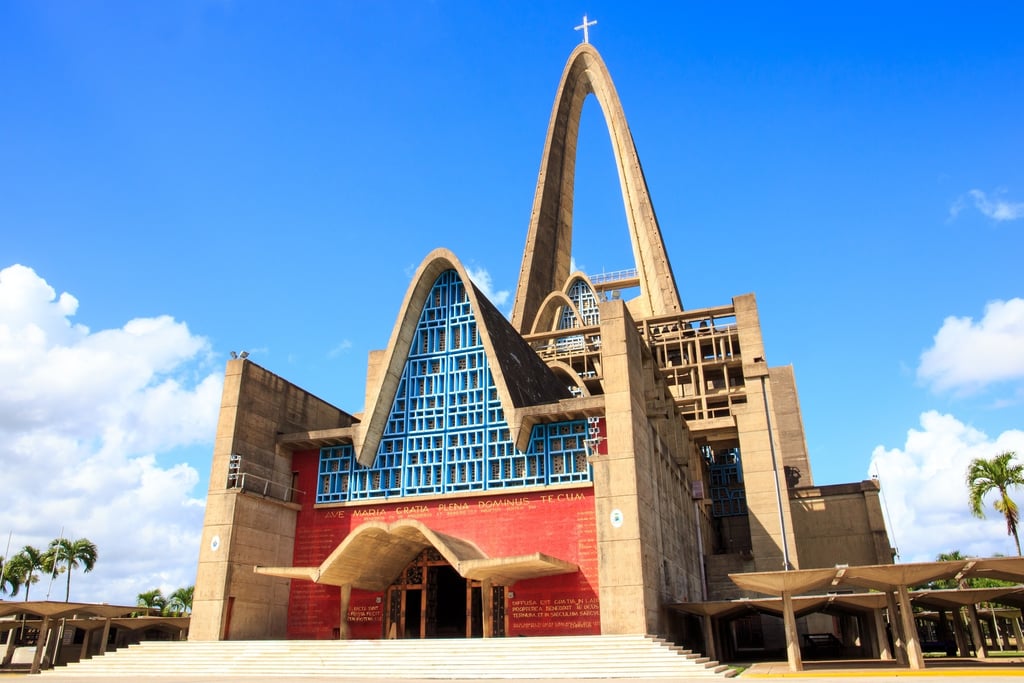
As you get closer, the basilica’s huge parabolic arch takes over the skyline, rising nearly 69 meters (226 feet) into the sky. The sweeping concrete curve looks like giant hands lifted in prayer, and you can spot it from almost anywhere in Higüey.
From the right angle, the entire building forms the shape of a Latin cross. Its bold, modern style comes from mid-20th-century Brutalist design, with strong lines and raw concrete that make it feel powerful and different from classic European cathedrals.
In front of the church is a wide open plaza where visitors stop to take photos, rest in the shade, and watch daily life go by. On busy days, especially during pilgrimage season, you’ll see small stalls selling candles, rosaries, and local snacks.
At the main entrance, take a moment to study the massive bronze doors plated with gold. They create a grand, almost ceremonial welcome. Just beside them stands the tall bell tower, home to 45 bronze bells.
The Interior
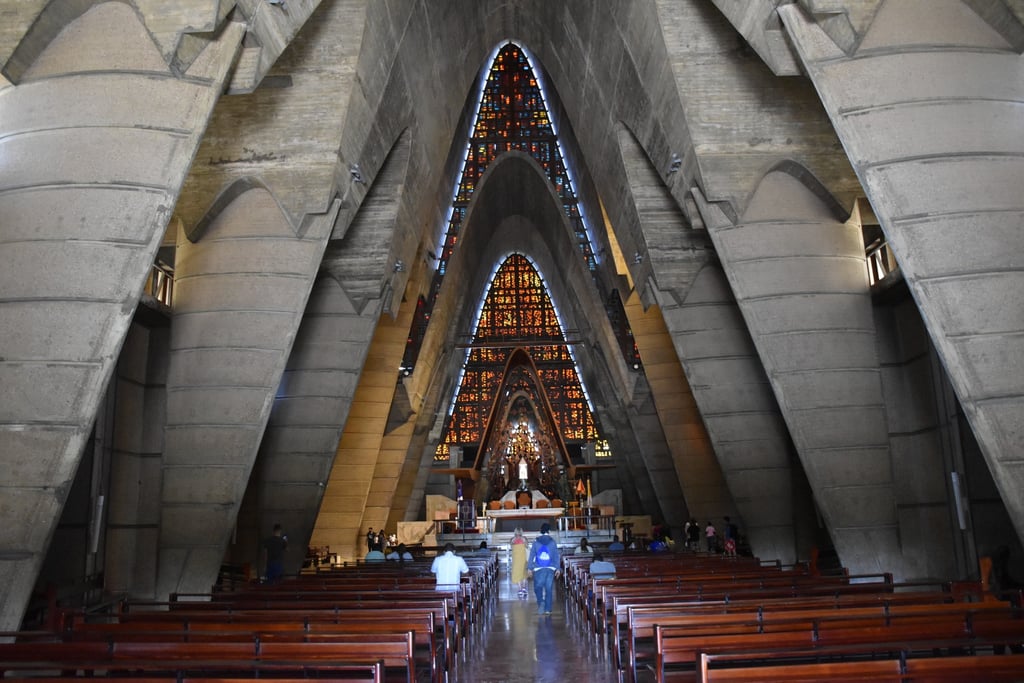
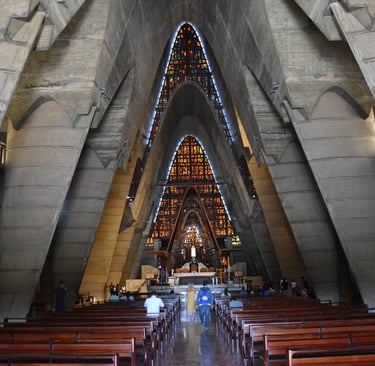
When you step inside, the street noise drops almost completely. The space opens into a wide, high-ceiling hall with rows of benches facing the altar.
At the front, you’ll see the 16th-century painting of Our Lady of Altagracia set in a simple frame above the altar. Visitors often pause at the first few rows, some sitting quietly, others standing for a short prayer or taking a closer look before moving on.
The arch you saw outside becomes the main structure of the ceiling inside. Stained-glass panels along the walls let in bands of blue and red light that fall across the floor and benches as the sun shifts.
Along both side walls, there are statues, side altars, and wall plaques that mark important moments in the basilica’s history.
The Museum and Plaza
The Museo de La Altagracia is part of the basilica complex and takes about 10 minutes to walk through.
Inside, you’ll find religious objects, old photographs, and display boards that explain how the Virgin of Altagracia became part of Dominican national identity.The main piece on display is the silver crown given by Pope John Paul II, which he placed on the Virgin’s image during his 1992 visit.
Step back outside into the large paved plaza, where rows of tall tropical palms line the walkways, people sit along the edges, vendors sell candles and cold drinks, and the sounds of passing motorbikes and nearby shops bring you straight back into everyday life in Higüey.
Best Time to Visit Basílica de la Altagracia
The basilica is open every day of the year, usually from 7 AM to 7 PM, and there’s no entrance fee or booking required. You can simply arrive during those hours and walk in. If a Mass is happening, staff will guide visitors to the side aisles or ask you to wait briefly before moving closer to the altar.
If you want to experience the basilica without the crowds, weekday mornings right after opening are your best window. The early light through the stained glass makes the interior feel calm, and you’ll have space to walk around and take photos at your own pace.
From November to March, the weather is cooler and drier, which makes walking around the area more comfortable. From May to early November, it’s warmer and more humid, with more rain, especially in late summer. The benefit during these months is fewer visitors inside. If you come then, go early and bring water.
January 21
January 21 is the Feast of Our Lady of Altagracia, the Dominican Republic’s patron saint, and it turns Higüey into a city-wide pilgrimage. From early morning, people travel in from across the country to pray at the basilica and take part in the day’s services.
The tradition is built around a small 16th-century painting of the Virgin Mary and the infant Jesus. For many families, this image is linked to ideas of protection, safe travel, and family life.
After the 1691 Battle of Sabana Real, people believed the Virgin helped secure the victory, and the main celebration moved to January 21. It later became a national holiday, which is why the day still brings such large crowds.
Expect long lines, slow traffic, and packed streets near the basilica. The plaza fills with outdoor prayer areas, candle tables, and food stands, and loudspeakers guide the flow of services throughout the day.
If you want a quiet visit, choose another date. If you want to see the basilica at the moment it matters most to Dominicans, this is the day to plan around.
What to Expect and Practical Tips for Visiting the Basílica de la Altagracia
The Basílica de la Altagracia is more than a landmark. It is an active place of worship and one of the most meaningful religious sites in the Dominican Republic. For many Dominicans, it represents family, protection, and important moments in their lives. That sense of purpose is something you notice as soon as you walk inside.
If you’re driving, free parking is available nearby, and you may be offered help watching your car for a small tip in pesos. A 50 or 100 peso bill, about 1 to 2 US dollars, is a simple and friendly way to say thanks. The 50 peso note even shows the basilica itself, which is a small detail many visitors notice for the first time during their stop here.
There is no ticket counter or formal entrance. You step through the main doors, where a staff member may guide visitors or quietly remind people about dressing modestly.


Dresscode
Shoulders and knees should be covered, so if you are coming from the beach or a resort, a light scarf or extra shirt in your bag makes this easy. Hats and sunglasses are usually removed at the door.
Taking Photos Respectfully
You are welcome to take photos inside, but flash is not allowed. The natural light is usually enough to capture the colors and details of the building. It is also kind to avoid photographing anyone who is praying.
Lighting a Candle
On one side of the basilica, you will find a place to light a candle for the Virgin of Altagracia. Some visitors do this as part of their faith, others as a quiet personal moment. A small donation, a few pesos or a dollar, is typical.
Donation boxes are also placed around the interior and are always optional.
What to Bring
Bring water, especially on warm days, since the interior is not air-conditioned. Comfortable shoes help if you plan to walk through nearby streets afterward.
Carry a few small bills in Dominican pesos or American Dolllars for tips, candles, or souvenirs. Keep your bag zipped in busier areas. A light cover-up and a charged phone or camera are usually all you need.
Safety
The basilica itself is calm and looked after by staff, but the surrounding area is lively. Keep an eye on your belongings near vendors or in the local market.
If someone offers to guide you around without being asked, they may be hoping for a tip. A simple “No, gracias” is fine if you prefer to explore on your own. If you are driving, take your time in town, as traffic can be busy and motorcycles often move between cars.
How to Get to the Basilica in Higüey
Getting to Higüey is easy. You can drive yourself, take local transport, hire a driver, or turn the trip into a full countryside experience with a guided tour.
Drive Yourself
From Punta Cana and Bávaro, plan for 40 to 60 minutes. From Bayahibe or La Romana, about 45 minutes. Follow signs to the Autovía del Coral or enter “Basílica de la Altagracia, Higüey” into Google Maps or Waze. Once you’re on the highway, stay on it the whole way. The road is smooth and well-marked. You’ll pass a toll booth (peaje). Have RD$100 in cash, about 2 US dollars, ready. After the toll, continue straight and follow the town signs for the basilica.
In Higüey, traffic slows, and motorcycles are common. Follow the local signs and park near the entrance. Parking is free. If someone offers to watch your car, a 50 or 100 peso tip is normal.
You can check prices and availability here for car rental.
Taking a Local Bus
From the Bávaro Punta Cana area, regular buses and local guaguas run toward Higüey from hubs near Verón and Friusa. The ride usually takes about 1 to 1.5 hours, and fares are low, often in the 2 USD to 7 USD range.
These are simple, local rides. They can be warm and crowded, but they get you there. When you arrive at the Higüey terminal, take a short taxi or moto taxi for the last few minutes to the basilica. Before you head inside, ask what time the last bus back runs.
If you’re staying in La Romana, public buses usually require a connection through the Punta Cana Bávaro area, which makes this option slower and less practical.
Hiring a Taxi
From Punta Cana, prices can range from around 70 USD to 120 USD, depending on where you book and how long you stay. Many resort taxis will wait while you visit and take you back. Always agree on the total price and currency before you leave.
(Helpful reads before you go: our Punta Cana Travel Guide and Transportation in the Dominican Republic pages.)
The Easiest Way to Visit the Basílica de la Altagracia
Guided Safari Tour
A safari tour here means traveling in an open-air truck or comfortable van with an English-speaking guide who leads you through rural areas, small towns, and local farms on the way to Higüey.
Most tours follow a simple flow. You’re picked up at your hotel in the morning and stop at coffee and cocoa farms, where you can see how beans are grown and processed and taste fresh coffee or hot chocolate. Many tours also include sugar cane, with short demonstrations of how juice or rum is made. Depending on the operator, you may also visit a small village, local school, or cigar rolling demo.
The main stop is the Higüey Basilica.
On full-day tours, lunch is included at a ranch or riverside location. Expect Dominican dishes like rice, beans, stewed chicken or beef, salad, and plantains, often with drinks and sometimes a small open bar.
Many tours end with time at Macao Beach, where you can swim, walk along the sand, or relax with a fresh coconut before heading back to your hotel in the afternoon.
These tours are popular because they combine culture, food, countryside, and beach in one day. During busy months, the highest-rated options often fill up very quickly.
Private Half-Day Tour
A private half-day tour gives you your own guide and vehicle, with hotel pickup and drop-off.
This option focuses on the basilica itself. You set the pace, spend more time inside if you like, and often add a short stop such as a local market or cultural site, depending on the tour. It works well for couples, families, or small groups who want privacy and flexible timing.
Booking ahead is smart, especially in high season. It secures your spot, shows verified reviews, and often allows free cancellation up to 24 hours before if your plans change.
Check availability for the Basilica and Safari Tour on Viator
Frequently Asked Questions (FAQs)
1. How much does it cost to visit the Basilica?
Entrance is free. You do not need to pay to enter. However, you can leave a small donation if you would like to support the church.
2. What should I bring?
Here are a few helpful things to bring for your visit:
A bottle of water, especially on hot days
Comfortable shoes for walking
A hat or sunglasses to protect you from the sun
A camera or phone to take photos (no flash inside)
A light sweater or scarf to cover your shoulders, especially if you attend a church service
A little cash for donations or to buy souvenirs, such as religious items or postcards sold nearby
3. How long should I plan to stay?
Most people spend about 1 hour at the Basilica. This gives you enough time to walk around, take pictures, and visit the museum.
4. Is there a dresscode?
Yes. Please dress respectfully. Try to wear clothing that covers your shoulders and knees. Avoid beachwear, short shorts, or tank tops.
5. Can I take photos inside?
Yes, you can take pictures, but be polite. Do not use flash, and try not to take photos during mass or of people who are praying.
6. Is it safe to visit?
Yes, the Basilica is safe and welcoming. Many tourists and locals visit every day. Just be careful with your personal items, as you would in any public place.
7. Is the basilica accessible for wheelchairs and strollers?
Yes, the main entrance has a ramp and wide aisles that usually make it manageable for basic wheelchair and stroller access.
8. Are there restrooms and places to buy water or snacks?
Yes, you will find simple restrooms nearby and small vendors outside selling water, snacks, and souvenirs.
9. Can I visit other places on the same day?
Yes, you can visit the Higüey market, San Dionisio Church, and then continue to Macao Beach or Boca de Yuma in the same day.




Explore the Dominican Republic with DR Simplified – Your Viator Travel Shop
Find the best excursions, cultural experiences, and adventure tours across the Dominican Republic. From sunny beaches and waterfalls to charming towns and outdoor activities, our Viator shop makes planning your trip simple and fun. Start enjoying the best of the island.
Terms and Conditions © All rights reserved 2026
Affiliate Disclaimer
Some links on DR Simplified are affiliate links. If you make a purchase or booking, we may earn a commission at no extra cost to you. Thanks for your support!