
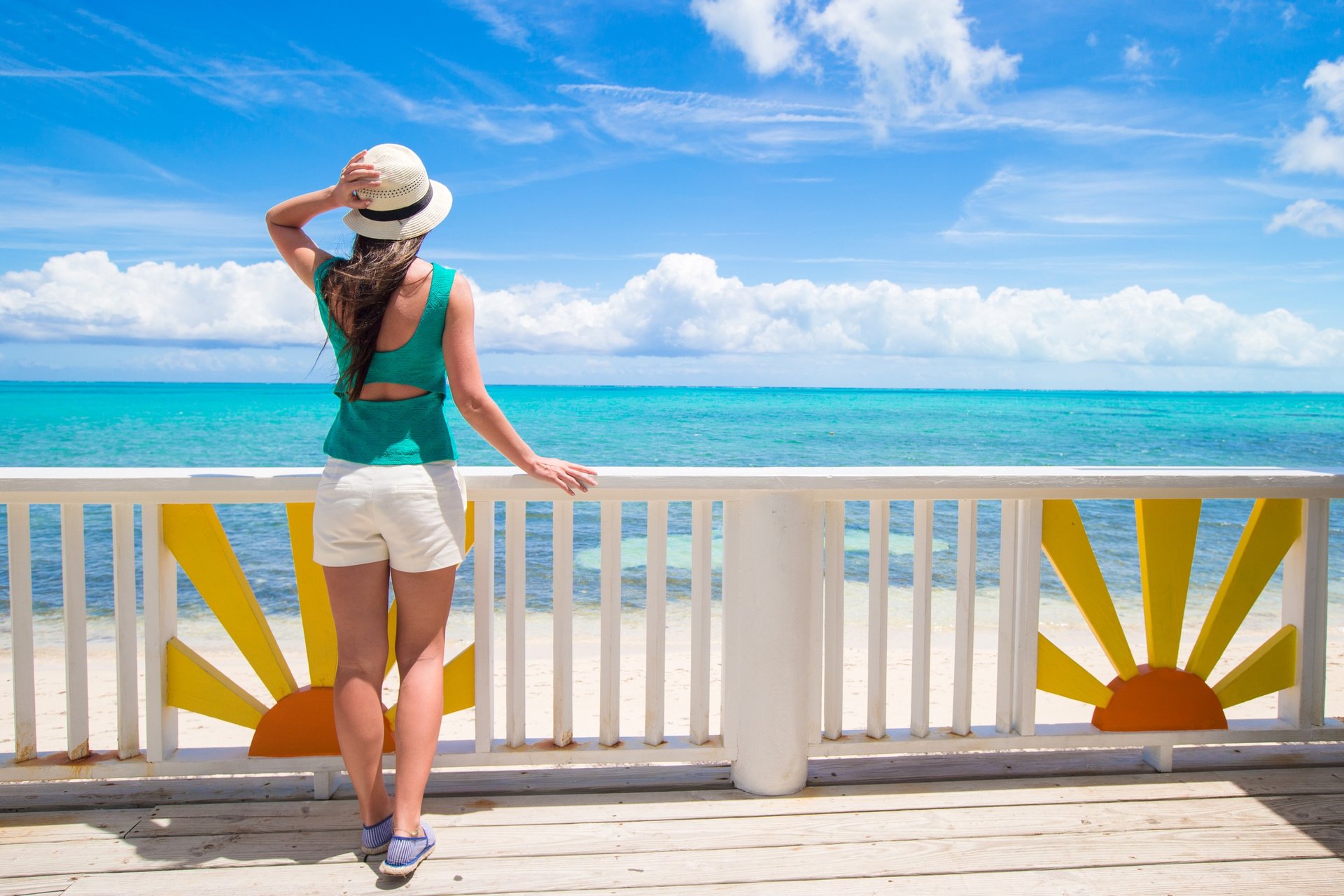
Discover the best travel health tips for the Dominican Republic. This page covers vaccines and entry rules, common health issues, medical care, pharmacies, and simple prevention, so you know what to expect and what to do if a health issue comes up while traveling in places like Punta Cana.
Table of Contents
Medical Emergencies and Healthcare in the Dominican Republic
Pharmacies in the Dominican Republic
Vaccinations and Travel Health Restrictions
You do not need any mandatory vaccines to enter the Dominican Republic if you are coming from the United States, Canada, or Europe. Still, it is smart to check which vaccines are recommended before your trip.
No vaccines are required to enter the Dominican Republic if you are coming from the U.S., Canada, or Europe.
The CDC ( Centers for Disease Control and Prevention) is the U.S. public health agency that provides travel health advice and vaccine guidelines. It recommends that you stay up to date on routine vaccines like MMR, tetanus, polio, and flu. Hepatitis A is commonly advised because it can spread through food and water. Hepatitis B may also be recommended, especially if you might need medical care while traveling. Typhoid can be suggested if you plan to eat street food or visit rural areas. Rabies is usually only considered if you expect close contact with animals or spend time in remote outdoor areas.
Try to see your doctor about 4 to 6 weeks before you travel. This gives you enough time to review your health history and get any vaccines you may need. Bring a copy of your vaccination records with you.
There are no special health entry requirements, but you must complete the Dominican Republic eTicket before arrival. Entry rules can change, so check official travel health notices before you go to make sure you have the latest information.
💡 Tip: The eTicket is completely free. Do not pay any website to complete it for you.
Get your eTicket in minutes using our step-by-step guide and official link.
Most Common Health Issues
These tips are for general information only. They are not medical advice. If you feel very sick, if symptoms get worse, or if you are not sure what to do, see a doctor.
1. The Number One Health Problem: Upset Stomach
The most common health problem in the Dominican Republic is mild stomach discomfort, especially at the beginning of a trip. This usually happens because everything changes at once. Meals are richer, portions are larger, fruit is sweeter, drinks are stronger, and the heat makes dehydration happen faster. Even at an all-inclusive resort, the body needs a little time to adjust to the new food, climate, and routine.
To reduce the risk, drink only bottled or purified water and avoid tap water completely, even for brushing your teeth. Skip ice unless you are sure it was made with safe water. At restaurants and buffet stations, choose food that is freshly cooked and served hot. Enjoy Caribbean fruits because they are healthy and refreshing, but eat them in moderation. Coconut is a natural laxative, so keep that in mind when having Piña Coladas or Coco Locos under the sun. Slowing down during the first day or two helps the body adjust and prevents unnecessary discomfort. Lastly, pack anti-diarrheal tablets like loperamide and hand sanitizer. They are small, easy to carry, and can prevent a simple stomach issue from affecting your vacation.
💡 Tip: For extra safety, a serious water purification bottle is a must in the Caribbean. The GRAYL GeoPress is rated 4.6 out of 5 stars with over 5,000 reviews, and many travelers call it a “hotel travel lifesaver.” It turns regular drinking water into clean, safe water in about eight seconds by removing viruses, bacteria, parasites, heavy metals, chemicals, and microplastics. Just fill, press, and drink. No batteries. No waiting.
Do not rely only on bottled water. This gives you your own reliable source at your resort, on excursions, and even at the airport. Protect the one thing you cannot replace on vacation: your time. Get a high-quality water purifier before departure and travel prepared.
2. The Most Underestimated Health Issue: Sunburn and Dehydration
Nothing ruins a Caribbean vacation faster than a bad sunburn on day one. In the Dominican Republic, this happens more often than you expect. The Caribbean sun is significantly more intense than in most parts of North America and Europe. The UV index regularly reaches very high or extreme levels, which means unprotected skin can burn in just 15 to 20 minutes, even when the sky looks slightly cloudy.
It usually starts innocently. A relaxed morning at the pool turns into a full afternoon in direct sun. A catamaran to Saona Island, a snorkeling stop, or a dune buggy tour means hours of exposure with little shade. Add heat, humidity, and a few cocktails, and your body begins losing fluids faster than you realize. By evening, you may feel dizzy, drained, or already dealing with painful red skin that makes the rest of your trip uncomfortable.
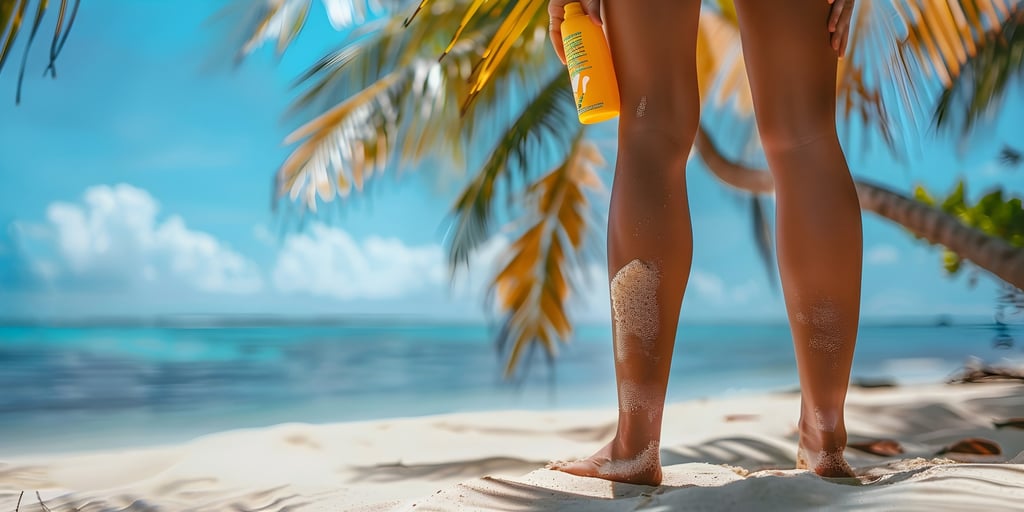
Prevention is simple but must be consistent. Apply a broad-spectrum sunscreen with SPF 50 or higher before leaving your room and reapply every two hours, especially after swimming. Wear light breathable clothing, a wide-brimmed hat, and proper sunglasses to protect your eyes. Take shade breaks between 11 am and 3 pm when the sun is strongest.
Most importantly, drink more water than you normally would at home. If you enjoy alcohol, balance every drink with a full glass of water to reduce the risk of dehydration.
If you still get too much sun, treat it immediately. Use aloe vera gel or a soothing after-sun lotion to calm the skin and reduce peeling. Continue hydrating and avoid direct sun the next day so your body can properly recover.
Pack a high SPF sunscreen and a quality aloe vera gel before traveling to the Dominican Republic. SPF 30 is often not enough. You will apply sunscreen several times a day, so starting with strong protection from the very first day makes a real difference.
💡 Tip: Dominican supermarkets and resort shops often charge two to three times more for basic brands, and high SPF options can be limited. Choose a premium, reef-safe SPF 50 or higher with broad-spectrum UVA and UVB protection that is water- and sweat-resistant, and comfortable on your skin. Since you will use it constantly, quality truly pays off.
Get a high-quality reef-safe sunscreen here and protect both your skin and the beautiful coral reefs of the Caribbean Sea.
3. The Most Irritating Health Issue: Mosquito and Insect Bites
The good news is that within large all-inclusive resorts, especially in Punta Cana, mosquitoes are usually well-controlled. Still, this is a tropical country. During the humid months from May to November and after heavy rain, mosquito activity can increase, especially early in the morning and after sunset.
Mosquitoes in the Dominican Republic can carry dengue, chikungunya, and Zika. Malaria risk is low and limited to certain inland areas, not typical resort stays. Most bites will not make you sick, but they can itch, swell, and disturb your sleep. Near the beach at dusk, tiny insects called midges can also bite. They are tiny, but their bites can itch for days, often around your ankles and lower legs.
Prevention is simple and works well. Apply insect repellent before going out in the evening or early morning. Choose one with DEET, Picaridin, or oil of lemon eucalyptus, as these ingredients are recommended for tropical climates. If you visit waterfalls, parks, rural areas, or quiet beaches at sunset, wear light long sleeves and protect your legs. Keep balcony doors closed at night and use air conditioning when possible.
If you get bitten, treat it right away. A small anti-itch cream helps reduce swelling and stops scratching before the skin becomes irritated.
If you develop a fever during your trip or within two weeks after returning home, see a doctor and mention your recent travel. Seek urgent medical care if you have severe stomach pain, repeated vomiting, unusual bleeding, or extreme weakness.
💡 Tip: Do not arrive without real strong protection. Bring a 20 percent picaridin spray like Sawyer that lasts for hours in heat and humidity, and pack a small hydrocortisone cream like Cortizone-10 to stop itching fast. Buy them before you go. Do not depend on resort shops.


4. The Most Common Excursion Health Issue: Motion Sickness
The boat pulls away, the water looks perfect, and the breeze feels amazing. Then your stomach drops.
Motion sickness happens more often on boat excursions in the Dominican Republic than most people expect, especially on catamaran cruises, speedboats, and deep-sea fishing trips. Your eyes see calm blue water, but your inner ear feels constant movement. Add strong sun, heat, dehydration, or rum on an empty stomach, and nausea can start quickly. Once it begins, it is hard to enjoy the day.
You can prevent most cases with simple preparation. Take motion sickness medication 30 to 60 minutes before departure. Dramamine is a great and reliable option. If you have an early morning boat tour, you can take one tablet the night before. Meclizine usually makes you less sleepy. Ginger tablets or acupressure wristbands are lighter options if you prefer to avoid medication. Some motion sickness pills can still cause drowsiness, so skip the rum until you are back on shore.
Where you sit matters. Avoid the upper deck if you are sensitive. The middle of the boat near the waterline feels more stable. Stay hydrated, eat light before departure, and spend time in the shade when possible.
You may also feel motion sickness during long airport transfers in the Dominican Republic. If you are sensitive, choose the front seat and keep your eyes forward during the drive.
💡 Tip: Plan your boat excursion before you travel. Popular trips like fishing tours, party boats, and Saona Island, the number one boat excursion in the Dominican Republic, fill up fast. When your date is set, you can prepare properly, take Dramamine the night before if needed, drink water, and avoid heavy meals so motion sickness does not ruin your day.
Use Viator, part of Tripadvisor, to read real reviews, see clear tour details, reserve now and pay later on many options, and cancel up to 24 hours before on most tours.
5. The Most Overlooked Health Issue: Travel Fatigue and Jet Lag
You land in the Dominican Republic excited, but tired. Early flights, airport rush, dry airplane air, and broken sleep catch up with you fast. For most people flying from the East Coast of the United States or Eastern Canada, it is not extreme jet lag. It is travel fatigue. If you are coming from the West Coast or Europe, the time difference can hit harder.
Many people make the same mistake. They arrive, head straight into the sun, start drinking, and plan something early the next morning. By day two, they feel slow, foggy, and drained instead of relaxed.
Reset your body early. On the plane, switch your watch to Dominican Republic time and follow that schedule. If it is night there, try to sleep. If it is daytime, stay awake. Drink plenty of water and limit alcohol. Dehydration makes fatigue worse.
When you arrive, get daylight. Step outside. Let the sun help your body adjust. Avoid long naps. A short rest is fine, but keep it under 30 minutes so you can fall asleep at night.
💡 Tip: Do not wait for hours at a crowded gate. With Priority Pass, you access 1,800+ lounges worldwide with comfortable seating, hot meals, snacks, drinks, and, in many airports, even showers. When delays hit, it makes it worth it. Get your Priority Pass today and arrive with full energy at your destination.
6. The Most Unexpected Health Issue: Allergies
You might not expect it, but allergies can pop up on your trip. New plants, pollen, dust, stronger sun, spicy food, or seafood you do not usually eat can all trigger reactions, even if you rarely deal with allergies at home. Insect bites can also cause extra swelling if you are sensitive, especially in tropical climates.
Most reactions are mild, like sneezing, itchy eyes, a runny nose, or a skin rash. But if you already have food allergies or strong seasonal allergies, it is smart to prepare.
Bring your usual antihistamines and allergy medicine in your carry-on. If you have serious allergies, travel with your epinephrine injector and keep it within reach. Learn a few simple Spanish words for common allergens so you can explain clearly when ordering food. A small written allergy card can also help in restaurants or local spots.
If you develop strong swelling, breathing problems, dizziness, or symptoms that get worse instead of better, see a doctor right away and mention any recent food, insect bites, or environmental exposure.
7. The Most Preventable Health Issue: Slips, Falls, and Minor Accidents
It usually happens fast. You are walking from the pool, stepping off a boat, or crossing a wet tile floor after rain, and your foot slips.
Heat, water, and smooth surfaces increase the risk. Add flip flops with no grip or walking barefoot, and it only takes one wrong step to twist an ankle or scrape a knee. On excursions like catamaran trips or ziplines, follow the guide’s instructions and move carefully. If you are traveling with kids, watch them closely around pools, docks, and wet paths. Accidents happen quickly.
Wear sandals or water shoes with good traction. After rain, assume the ground is slippery. If something looks unsafe, report it to hotel staff instead of ignoring it.
Clean cuts from coral or rocks right away and cover them. If pain is strong, swelling gets worse, or you cannot put weight on your foot, see a doctor to rule out a sprain or fracture.
💡 Tip: If you travel with family, do not rely on a small pouch. Get a complete kit like the Surviveware 238-piece First Aid Kit, fully organized and clearly labeled so you can find what you need fast in a real emergency. It is durable, water-resistant, and packed with everything from bandages and antiseptics to trauma pads and blister care. Get one before you travel and keep it for vacations, your car, or home emergencies.
Medical Emergencies and Healthcare in the Dominican Republic
If something unexpected happens during your trip, you need to know what to do and where to go.
Healthcare in the Dominican Republic is divided between public and private facilities. As an international tourist, you should choose private hospitals and clinics. They are modern, well-equipped, and used to treating international patients.
In Punta Cana, Santo Domingo, and Santiago, private hospitals provide solid medical care. Many doctors have international training, and staff often speak English. Public hospitals exist, but they are usually crowded and slower. If you have insurance, always go private.
Private treatment can be expensive without coverage. Some clinics ask for payment before treatment begins. Even if your insurance is accepted, you may need to pay first and request reimbursement later. Do not arrive without travel medical insurance.
💡Tip: Do not rely on basic credit card travel coverage. With AXA Travel Insurance, you get strong protection for medical emergencies, hospital stays, trip cancellations, lost luggage, and even costly emergency evacuation. In the Dominican Republic, private hospitals often require upfront payment before treatment. AXA provides 24 7 assistance and serious coverage when it matters most. Protect your trip and your savings. Click here to get your AXA quote in minutes.


What To Do in a Medical Emergency
If you need urgent medical help, call 911. This number works in major cities and developed areas. Response times are generally reasonable in cities but can take longer in remote locations.
When you call, clearly explain your location and what is happening. Say whether the person is conscious and breathing. Clear information helps responders act faster.
If you are staying at a hotel or resort, contact the front desk immediately. Staff are experienced with emergencies and can contact a doctor, call a private ambulance, and guide medical teams directly to your room.
In some situations, private ambulance services respond faster than public ones. Hotels often have direct contact numbers. Be prepared to pay upfront, as not all services bill insurance directly.
Before you travel, save a photo of your passport, your insurance details, and emergency contacts on your phone. Keep a printed copy as well. If you take daily medication or have a medical condition, carry a short note in Spanish explaining it. This avoids confusion during urgent care. Also, make sure someone traveling with you knows about your allergies or medical history.
If a situation becomes complicated, your embassy can assist you.
These private facilities are well-known and frequently used by tourists with emergencies.
Hospiten Punta Cana - Punta Cana
Hospiten Santo Domingo - Santo Domingo
Clinica Abreu - Santo Domingo
Hospital Metropolitano de Santiago (HOMS) - Santiago
🚨 Medical Emergency Simplified
Call 911 if it is life-threatening.
Use the resort doctor if available.
Choose a private hospital for treatment.
Keep your passport, insurance, and emergency contact ready.
Most private clinics require payment upfront.
Stay calm. Act quickly.
Pharmacies in the Dominican Republic
Not every health problem needs a hospital visit. For common issues like headaches, fever, allergies, stomach pain, mild infections, or cold symptoms, you can usually find what you need at a pharmacy. Many basic medicines such as pain relievers, allergy tablets, cough syrup, stomach medicine, and even some antibiotics, are often sold without a prescription.
If you are staying at a resort, check the gift shop first. Most resorts sell basics like ibuprofen, antacids, bandages, sunscreen, and simple first aid supplies. Prices are higher, but it is quick and convenient. You can also ask the front desk or concierge to call a local pharmacy. In many tourist areas, pharmacies can deliver medicine directly to your hotel.
Outside the resorts, you will find small local pharmacies and larger chains such as Farmacia Carol and Farmacia Los Hidalgos. Many stay open late, and some are open 24 hours.
Medicine names may be different from what you know at home. The same medicine can have a different brand name. Knowing the generic name makes it much easier to find the right product. If you do not speak Spanish, hotel staff can help translate.
For important prescription medicine, bring your own supply. Do not assume you will find the same brand or strength here. Keep all medicine in your carry-on bag in the original packaging. Bring a few extra days’ supply in case your return flight is delayed. If you travel with strong painkillers or certain psychiatric medications, check the rules before you travel to avoid problems at customs.
Pharmacists can help with small problems, but if your symptoms are strong, getting worse, or not improving, see a doctor instead of trying to treat yourself.
Dental Care in the Dominican Republic
If you develop a toothache, lose a filling, or crack a tooth, you can find quality dental care in private clinics. Many dental offices are modern and more affordable than North America or Europe. Dental tourism is common, especially in Santo Domingo and Santiago.
If you suddenly need a dentist during your trip, these clinics are good options to contact.
Dental Studio Punta Cana - Punta Cana
Dominican Dental - Santo Domingo
Dentisalud - Santiago
💡 Tip: If you often have dental problems, pack a small dental emergency kit with temporary filling and pain relief. It takes very little space but can save you from severe pain at night when clinics are closed. Do not risk it. Add one to your bag before you travel.
Enjoy your Dominican adventure with peace of mind by following these health tips. Safe travels!
Looking for more tips? Check out our guides on Packing Essentials for the Dominican Republic and Travel Safety Tips to ensure a smooth and worry-free trip!


Explore the Dominican Republic with DR Simplified – Your Viator Travel Shop
Find the best excursions, cultural experiences, and adventure tours across the Dominican Republic. From sunny beaches and waterfalls to charming towns and outdoor activities, our Viator shop makes planning your trip simple and fun. Start enjoying the best of the island.
Terms and Conditions © All rights reserved 2026
Affiliate Disclaimer
Some links on DR Simplified are affiliate links. If you make a purchase or booking, we may earn a commission at no extra cost to you. Thanks for your support!